Kawaii Pirate Bear: A Designer’s Stitch Review
As an embroidery designer who has spent countless hours digitizing and testing motifs for client projects, I have learned that the cutest concepts do not always translate into the cleanest stitches. When I first pulled up the Kawaii Pirate Bear file on my screen, my initial reaction was one of cautious optimism. The character description promises a "Talk Like a Pirate Bear" theme that is playful enough for a little pirate lover yet gentle enough for everyday wear. But as professionals, we know that visual appeal on a monitor is only half the battle. The real test is how that design behaves under the needle, especially when we are aiming for a high-quality finished product that reflects well on our brand.
First Impressions: Mood and Visual Personality
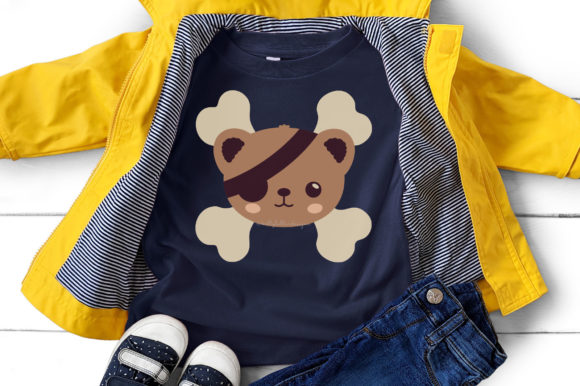
The immediate mood created by this design is whimsical and approachable. In the world of Crafts and digital Graphics, kawaii styles rely heavily on proportion—large eyes, rounded shapes, and simplified features. This bear fits that bill perfectly. It avoids the sharp, aggressive angles that can sometimes cause thread breaks or puckering in smaller hoop sizes. Instead, the layout suggests a flow that is friendly to both satin stitch borders and fill stitch bodies. For an Etsy seller or a small shop product creator, this visual personality is gold. It signals "giftability" instantly. Whether it is for a birthday present or a quirky addition to a personal wardrobe, the design feels intentional rather than generic.
Real-World Application: From Screen to Fabric
To truly evaluate the Kawaii Pirate Bear, I imagined a specific real-life scenario: preparing a custom order for a local boutique that specializes in children’s apparel. The client wanted a standout piece for a "Talk Like a Pirate Day" promotion. I considered placing this design on a soft, heather-gray sweatshirt. This is a common request for custom apparel, but it comes with challenges. Heather fabrics have texture, and textured fabrics can hide fine details. Because this bear is described as a "little guy," I had to consider if the details would hold up.
In this context, the design shines as a potential sweatshirt embroidery centerpiece. The rounded nature of the kawaii style means that even if the fabric stretches slightly during hooping, the distortion is less noticeable than it would be with a geometric or highly detailed realistic portrait. If I were stitching this for a tote bag design, the durability would likely be higher due to the heavier canvas material, allowing for denser stitching without worrying about fabric pull. However, for a delicate baby embroidery project, such as a onesie or a burp cloth, I would need to be much more careful with the stitch density. A heavy fill stitch on thin baby cotton can result in a stiff, uncomfortable patch that parents might reject.
Navigating Technical Challenges
While the aesthetic is strong, there are areas where the Kawaii Pirate Bear requires careful handling. Any experienced machine embroiderer knows that small details are the first to suffer when scaling down. If you plan to use this as an embroidered patch or on a curved surface like a cap, you must verify the minimum hoop size recommended by the digitizer. Although the product description does not specify exact dimensions, the complexity of a pirate theme—often involving hats, eye patches, or swords—can introduce tiny elements that may turn into thread clumps if stitched too small.
I also recommend testing this design on dark versus light fabrics. Kawaii characters often rely on high contrast for their expressive faces. If the bear has white facial features and you are stitching on a navy blue shirt, you need to ensure your thread colors are vibrant and that the underlay is sufficient to prevent the background fabric from showing through. Using a proper stabilizer is non-negotiable here. For stretchy fabrics like jersey knits, a cut-away stabilizer is essential to maintain the shape of the bear after washing. For woven fabrics like those used in kitchen towel or apron projects, a tear-away might suffice, but always test on scrap fabric first.
Commercial Viability and Brand Consistency
For craft business owners and digital product sellers, the value of a design lies not just in its cuteness, but in its versatility. The Kawaii Pirate Bear offers a niche appeal that can help differentiate your design assets from the sea of generic florals and monograms. It fits naturally into seasonal collections, particularly around Halloween or International Talk Like a Pirate Day, but its cute aesthetic allows it to transcend specific holidays. It could easily become a staple for a nursery decor line or a playful accent on adult loungewear.
When creating printable mockups for your online store, this design performs well because its silhouette is distinct. Customers scrolling through Etsy listings can quickly identify the subject matter. This clarity builds trust. A muddy, unclear embroidery image suggests low quality, while a crisp, well-defined bear suggests professionalism. However, remember that licensing is crucial. Before selling any commercial embroidery items featuring this bear, you must confirm the license terms provided with the digital embroidery file. Some designers allow unlimited sales, while others require an extended license for high-volume production.
Practical Designer Notes for Best Results
To get the most out of this machine embroidery design, I suggest following a few practical steps before committing to your final fabric:
- Test Stitch First: Always run the design on a scrap piece of the same fabric and stabilizer combination you plan to use for the final product. This helps you identify any thread breaks or tension issues.
- Check Contrast: View your design in black and white on your computer screen. If the details disappear in grayscale, they will likely get lost in the stitching. Adjust your thread palette to ensure key features like the eyes or pirate accessories stand out.
- Mind the Density: If the design feels stiff after stitching, consider reducing the density in your editing software if you have the skills, or choose a lighter weight fabric that complements the stitch count.
- Verify File Compatibility: Ensure the embroidery file format matches your machine. While most modern machines read multiple formats, converting files can sometimes alter stitch paths. Stick to the native format whenever possible.
- Consider the End Use: If this is for a personalized gift that will be washed frequently, reinforce the edges with a tight satin stitch or a blanket stitch to prevent fraying over time.
In conclusion, the Kawaii Pirate Bear is a charming addition to any designer’s library. It balances personality with practicality, offering a fun theme that appeals to a wide demographic. By paying attention to fabric choice, stabilizer selection, and stitch placement, you can transform this digital graphic into a tangible, high-quality item that customers love. Whether you are decorating a pillow cover, creating a unique holiday embroidery gift, or expanding your small business merchandise line, this design has the potential to be a standout performer. Just remember: the magic is in the execution. Treat the design with respect, test thoroughly, and let the bear’s playful spirit shine through your craftsmanship.