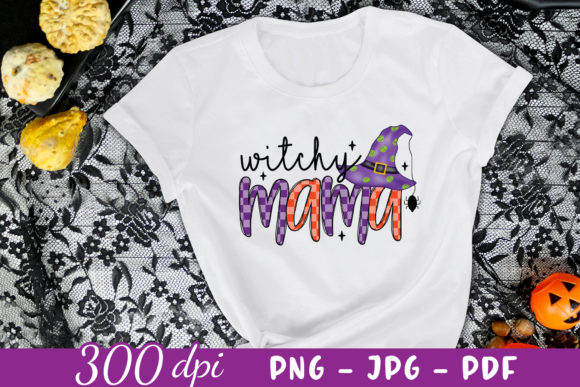
Reviewing the Witchy Mama Sublimation Design
As a designer who spends half my life digitizing files and the other half stitching them out, I have learned to look past the glossy preview images. We all know that what looks crisp on a screen does not always translate cleanly to fabric. When I first encountered the Witchy Mama - Witch Sublimation Design, my initial reaction was one of cautious curiosity. The theme is undeniably trendy, tapping into the modern cottagecore and mystical aesthetics that dominate social media feeds. However, my job is not just to appreciate the art but to determine if it holds up under the needle.
This review comes from the perspective of someone preparing for a real client order. Imagine a local boutique owner asking for a custom run of tote bags and sweatshirts for an upcoming autumn festival. She wants something eye-catching but professional. This is where we evaluate whether this graphic serves as a viable foundation for a high-quality handmade product.
First Impressions and Visual Personality
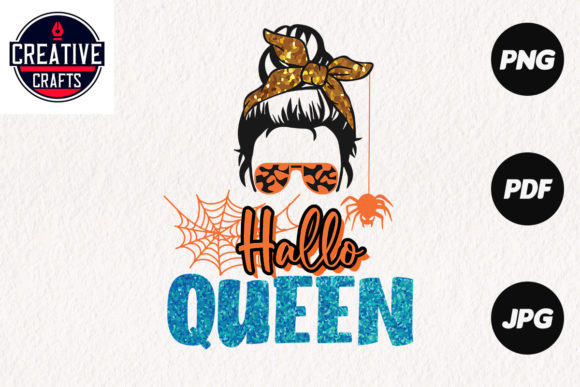
The design features a bold quote paired with striking graphics. In the world of Crafts and digital assets, clarity is king. The high-resolution 300 DPI PNG and JPG files provided suggest that the source material is sharp, which is crucial when you are scaling the image for different applications. For a sublimation project, this resolution ensures that the ink transfers without pixelation, maintaining the integrity of the lines and shadows.
The mood is playful yet sophisticated. It avoids the cliché spooky tropes in favor of a more whimsical, maternal witch vibe. This distinction matters because it broadens the target audience. It is not just for Halloween; it fits year-round for those who embrace a magical lifestyle. As a Graphics asset, it has strong visual personality. The layout appears balanced, with the text and imagery working together rather than competing for attention. This balance is essential when you consider how the design will sit on a curved surface like a mug or the flat plane of a sign.
Translating Sublimation to Embroidery Projects
Here is the critical pivot point. This product is sold as a sublimation design, meaning it is intended for heat transfer onto polyester or coated surfaces. However, many of us in the craft business want to offer embroidered versions of popular trends. If you are an Etsy seller or a small shop owner, you might be tempted to use this graphic as a reference for creating a custom machine embroidery design.
If you plan to stitch this out, you must approach it with a digitizer’s mindset. The "eye-catching graphics" mentioned in the description likely contain gradients or fine details that do not translate directly to thread. To turn this into a successful embroidery project, you would need to simplify the elements. Complex shading in a sublimation print becomes a nightmare of thread breaks and puckering if attempted literally in embroidery. Instead, consider using the graphic as inspiration for an applique design. You could stitch the outline of the witch hat or moon shapes using a running stitch or satin stitch, then fill the interior with fabric patches. This method preserves the visual impact while keeping the stitch density manageable.
For items like tote bag design projects or heavy canvas aprons, a filled stitch approach might work if you simplify the color palette. Limit yourself to three or four thread colors to maintain clarity. A fill stitch can cover larger areas effectively, but be mindful of the fabric texture. On a textured towel or a rough canvas, fine details will get lost. In such cases, bold outlines and solid shapes are your best friends.
Practical Application in Real-Life Scenarios
Let’s look at specific use cases. For a sweatshirt embroidery project, the design needs to breathe. Sweatshirt fleece is thick and plush. If the graphic includes tiny lettering, it may become illegible once stitched. I recommend testing the scale on a scrap piece of similar fabric. Check if the smallest elements hold their shape. If the text is too small, consider enlarging the design or removing the finest details to create a cleaner finished product.
When it comes to baby embroidery, safety and comfort are paramount. A dense block of stitches can feel stiff against sensitive skin. If you adapt this design for a baby onesie or blanket, ensure you use a soft stabilizer and perhaps opt for a lighter touch with fewer layers of thread. The whimsical nature of the "Witchy Mama" theme fits well with nursery decor, but the execution must be gentle.
For holiday embroidery gifts, this design shines. It is perfect for personalized items like kitchen towels or pillow covers. The transparent background of the provided PNG files makes it easy to place the graphic onto mockups. You can create realistic previews for your customers by overlaying the image onto photos of mugs or shirts. This helps buyers visualize the personalized gift before they purchase, increasing trust and engagement.
Technical Considerations and Designer Notes
Before you commit to a large production run, there are several practical steps you must take. First, verify the licensing terms. Just because you bought the sublimation file does not automatically grant you the right to sell embroidered items derived from it. Always check with the creator if you intend to use this as a basis for commercial embroidery assets.
Second, test the contrast. Sublimation designs often rely on subtle color shifts. In embroidery, contrast is created by thread choice. Print the design in black and white to see if the shapes remain distinct. If the image turns into a gray blob, you need to adjust your digitizing strategy. Increase the spacing between elements and choose thread colors that stand out against your base fabric.
Third, consider the hoop size. If you are working with a standard 4x4 or 5x7 hoop, you may need to split the design or reduce its size significantly. Ensure that the hoop size you select can accommodate the full width of the graphic without distortion. For curved surfaces like caps, remember that the design will warp slightly. Keep the central focal point aligned with the center seam to avoid visual imbalance.
Finally, think about durability. Items like custom apparel and tote bags undergo frequent washing. Dense stitching can cause fabric to pucker over time. Use appropriate stabilizers—cut-away for stretchy fabrics and tear-away for stable woven materials. This ensures that your small shop product maintains its professional appearance long after it leaves your hands.
Final Verdict for Craft Entrepreneurs
The Witchy Mama - Witch Sublimation Design is a strong visual asset for printers and crafters working with heat transfers. For embroidery designers, it serves as excellent inspiration but requires thoughtful adaptation. It is not a plug-and-play digital embroidery file, but with careful digitizing, it can become a standout piece in your portfolio. Whether you are creating an embroidered patch for a jacket or a detailed motif for a home decor item, the key lies in simplification and respect for the medium. By focusing on clean lines, appropriate stitch types, and thorough testing, you can transform this graphic into a tangible, high-value product that resonates with customers seeking unique, handmade charm.