Stitching Humor: Reviewing Trespassers Will Be Composted
As a designer who has spent countless hours digitizing and stitching out embroidery files, I have learned that the best designs are not just about technical perfection. They are about personality. When I first opened the file for Trespassers Will Be Composted, I did not see just another garden quote. I saw a conversation starter. This design sits firmly in the realm of witty Crafts and digital Graphics that appeal to a specific, growing demographic: the eco-conscious gardener with a sense of humor.
Before loading this into my machine for a client project, I always evaluate how a design translates from screen to thread. Here is my practical assessment of using this design in real-world embroidery scenarios.
First Impressions and Visual Personality
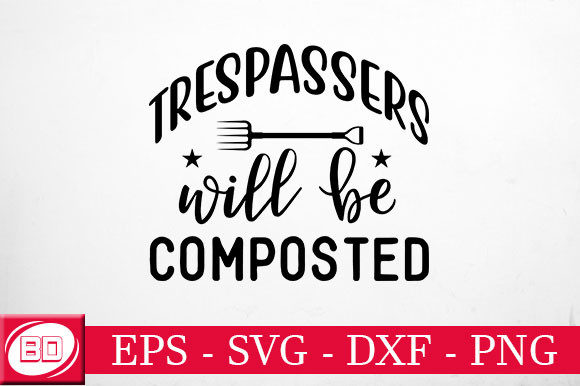
The phrase itself is bold. It subverts the traditional "Keep Off the Grass" signage with a composting twist. Visually, the layout needs to be clean to ensure readability. In embroidery, clutter is the enemy. If the original vector or raster files provided in the pack—specifically the EPS, SVG, PNG, and DXF formats—are well-structured, the transition to a stitch file should be smooth. However, as a reviewer, I look at the potential mood. This is not a delicate, floral nursery design. It is assertive, rustic, and modern. It belongs on items that get used, not just displayed.
The typography choice is critical here. If you are digitizing this yourself from the provided SVG or EPS files, avoid overly thin serif fonts. They disappear into fabric texture. A bold sans-serif or a sturdy slab serif works best to convey the "warning" tone while maintaining legibility from a distance.
Real-World Application: The Tote Bag Test
To truly test Trespassers Will Be Composted, I imagined it on a heavy canvas tote bag. This is a staple product for any Etsy seller or small shop product line. Canvas provides a stable base, allowing for higher stitch density without puckering. Imagine a customer walking through a farmers' market with this bag. The design acts as a badge of identity. It signals that the owner cares about sustainability but does not take themselves too seriously.
For a custom apparel project, consider a linen apron. Linen can be tricky due to its loose weave, so using a cut-away stabilizer is non-negotiable. The contrast of earthy thread colors against natural linen creates a high-end, boutique feel. This is where the design adds value. It transforms a basic kitchen tool into a personalized gift that feels thoughtful and curated.
Navigating Fabric and Hoop Constraints
Not every surface is suitable for this type of text-heavy design. When working with sweatshirt embroidery, the pile of the fleece can obscure smaller details. If the lettering in your chosen font is too small, the stitches will merge, and the joke will be lost. I recommend testing the design on scrap fabric first, especially if you are using a fill stitch for the letters. A running stitch outline might be cleaner for smaller hoop sizes, such as a 4x4 inch hoop on a cap or a baby item.
Speaking of caps, curved surfaces present a challenge. The text must be arched correctly in the digitizing phase. If you are using the DXF file to import into your embroidery software, check the curvature. Flat text on a curved brim looks distorted. For embroidered patch creation, this design shines. Patches allow for dense stitching and merrowed edges, giving the design a durable, professional finish that can be ironed onto jackets or bags later.
Thread Color and Contrast Strategy
The success of Trespassers Will Be Composted relies heavily on thread colors. Do not default to green just because it is a garden quote. Try deep browns, charcoal grays, or even stark white on dark fabrics. High contrast ensures the message is read instantly. For a holiday embroidery gift, consider using variegated threads that mimic soil or leaf tones, adding depth to the finished product.
If you are creating a printable mockup for your online store, ensure the digital preview matches the physical reality. Use the PNG files provided to overlay the design on product photos. This helps craft business owners visualize the final result before committing to production. It builds customer trust when the actual item matches the online image.
Commercial Viability and Licensing
For commercial embroidery projects, clarity on licensing is vital. The product description states you receive EPS, SVG, PNG, and DXF files. These are typically vector or raster graphics, not necessarily native machine embroidery files like PES or DST. This means you, the designer, may need to digitize the design yourself or use software to convert it. Always confirm the license terms before selling design assets or finished items. If the license allows for commercial use of the graphic, ensure your digitizing process respects copyright laws regarding font usage if fonts are embedded in the SVG.
This distinction is crucial for digital embroidery file sellers. If you plan to sell the stitched-out version as a digital product, you must be transparent about the source. However, for most handmade product creators, using this graphic to create physical goods like tote bag design items or baby embroidery pieces is a strong revenue stream. The niche is specific enough to stand out but broad enough to appeal to general garden lovers.
Practical Designer Notes
- Test on Scrap: Always stitch a test run on the same fabric weight you intend to use for the final embroidery project.
- Check Density: Text designs can become stiff if over-stitched. Adjust your stitch density to keep the fabric drape natural, especially for custom apparel.
- Stabilizer Choice: Use tear-away stabilizer for woven fabrics like cotton towels, and cut-away for knits like sweatshirts to prevent distortion.
- Font Legibility: If converting from SVG to stitch, simplify nodes to reduce jump stitches and ensure clean corners.
- Mockup Verification: Use the included PNG files to create realistic previews for your Etsy listings. Show the design on both light and dark backgrounds.
Final Verdict
Trespassers Will Be Composted is more than a funny phrase; it is a versatile design asset for the modern maker. It bridges the gap between humorous decor and serious sustainability messaging. Whether you are stitching it onto a rugged apron for a chef friend or a soft pillow cover for a sunroom, the key lies in execution. Pay attention to thread contrast, stabilize properly, and respect the fabric's texture. When done right, this design elevates a simple handmade product into a memorable piece of art that sparks joy and conversation. For creative entrepreneurs looking to add personality to their catalog, this graphic offers a solid foundation for a unique and engaging product line.