Oh My Gourd: A Designer’s Review for Fall Embroidery
As an embroidery designer who has spent countless hours digitizing, testing, and stitching out thousands of designs, I have developed a keen eye for what works in the hoop and what looks better on a screen than it does on fabric. When I first pulled up Oh My Gourd, my initial reaction was one of genuine amusement mixed with professional curiosity. This isn’t just another generic autumn leaf pattern; it is a personality-driven piece of digital art that relies heavily on typography and whimsical illustration. For those of us in the Crafts industry, specifically those dealing in seasonal Graphics, finding a design that balances humor with stitchability is often a challenge. Here is my honest assessment of how this design holds up in real-world applications.
First Impressions: Mood and Visual Personality
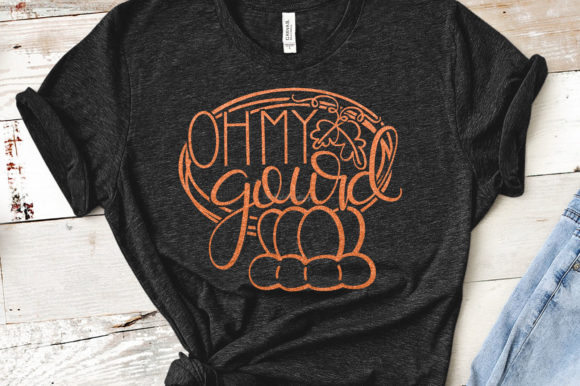
The immediate mood created by Oh My Gourd is playful, approachable, and distinctly seasonal without being overly traditional. The hand-lettered style suggests a casual, homemade aesthetic that resonates deeply with current trends in boutique retail. Visually, the layout feels balanced, with the pun serving as the focal point. For an embroidery project, this is crucial. If the text is too small or the spacing too tight, the joke gets lost in the thread. From what I can see, the lettering has enough weight to stand out, which is a positive sign for readability after stitching.
The theme is obviously fall-centric, but it avoids the cliché overload of pumpkins and scarecrows. Instead, it leans into the "pumpkin spice" culture with a wink. This makes it versatile. It doesn’t scream "Halloween" so loudly that it can only be worn in October, nor is it so vague that it lacks seasonal charm. It sits comfortably in that sweet spot of early autumn decor and apparel, making it a strong candidate for extended seasonal sales.
Real-World Application: The Tote Bag Test
To truly evaluate a design, you have to imagine it on a product. Let’s consider a custom embroidered tote bag, a staple for any Etsy seller or craft fair vendor. I envision stitching Oh My Gourd onto a natural canvas tote. The contrast between the earthy tones of typical fall thread colors—burnt orange, deep mustard, and olive green—against the neutral canvas would be striking.
In this scenario, the design acts as a statement piece. Because it is a machine embroidery design with likely varied stitch types, the texture will add depth to the flat fabric. A customer picking this up at a local market isn’t just buying a bag; they are buying a personalized gift vibe, even if it’s mass-produced. The humor invites conversation, which is exactly what you want from a small shop product. It transforms a utility item into a fashion accessory that signals the owner’s sense of humor and seasonal spirit.
Apparel and Custom Gifts
Moving beyond totes, let’s talk about sweatshirt embroidery. This is where the design truly shines. A crewneck sweatshirt in heather grey or cream provides the perfect backdrop for the bold lettering. However, as a designer, I must caution against placing this on thin, stretchy fabrics like lightweight t-shirts without proper stabilization. The density of the fill stitches required for bold lettering can cause puckering if the fabric isn’t supported correctly. For custom apparel, I would recommend using a cut-away stabilizer to ensure the design remains crisp wash after wash.
This design also translates well to baby embroidery projects, such as onesies or bibs, provided the size is scaled down appropriately. Parents love seasonal outfits for photo opportunities, and a cute, punny design is far more appealing than generic text. Just ensure the thread colors are baby-safe and soft, avoiding harsh contrasts that might look aggressive on delicate skin tones.
Technical Considerations for Stitching
While the visual appeal is high, the technical execution requires attention. Hand-lettered designs often feature irregular curves and varying line widths. In digitizing terms, this means a mix of satin stitch for outlines and fill stitch for the body of the letters. If you are new to working with complex typography, pay close attention to the stitch density. High-density areas can pull on the fabric, especially on curved surfaces like caps or hats.
If you plan to use this on a cap, you must check the hoop size compatibility. Caps have limited space, and the curvature can distort wide designs. I would advise running a test stitch on a scrap piece of similar fabric to see how the design lays flat. Additionally, consider the thread colors carefully. On dark fabrics, you may need an underlay or a lighter base color to ensure the vibrancy of the top threads pops. On textured fabrics like towels or blankets, the intricate details of the hand-lettering might get lost, so this design is best suited for smooth, woven materials.
Commercial Viability and Brand Consistency
For commercial embroidery professionals and digital embroidery file sellers, Oh My Gourd offers significant value. It fits seamlessly into a broader collection of fall-themed assets. Using this in your printable mockup previews can significantly boost engagement, as humorous designs tend to perform well on social media platforms. It helps build brand consistency if your shop focuses on witty, seasonal items.
However, always verify the licensing terms before selling finished items. While many designers allow commercial use for physical products, restrictions may apply to digital resale. As a responsible craft business owner, ensuring you have the right to sell the finished product is non-negotiable. This design, with its clear commercial appeal, should be treated as a premium asset in your inventory.
Practical Designer Notes
Before you commit to a large batch of production, keep these practical tips in mind:
- Test on Scrap Fabric: Always stitch out a sample on the exact fabric type you intend to use. This reveals issues with tension and density.
- Check Contrast: View your design in black and white to ensure the lettering is legible without relying on color differentiation.
- Stabilizer Selection: Use a tear-away for stable woven fabrics and a cut-away for knits like sweatshirts to prevent distortion.
- Inspect Small Details: Zoom in on the digitized file to check for unnecessary jump stitches or loose ends that could unravel.
- Verify File Formats: Ensure the embroidery file format matches your machine (PES, DST, JEF, etc.) to avoid conversion errors.
In conclusion, Oh My Gourd is a charming, well-conceived design that bridges the gap between digital art and tactile craft. It requires a thoughtful approach to material selection and stabilization, but the payoff is a high-quality, engaging product that customers will love. Whether you are creating holiday gifts, updating your Etsy store, or designing for a boutique, this piece deserves a spot in your fall rotation.