Softball Life: A Designer’s Review for Embroidery Projects
As an embroidery designer who has spent years digitizing and testing files for real-world application, I approach every new machine embroidery design with a critical eye. It is not enough for a graphic to look good on a screen; it must translate flawlessly into thread and fabric. Recently, I evaluated Softball Life, a design that merges typographic messaging with iconic sports imagery. This piece falls squarely into the Crafts category, specifically under Graphics, but its utility extends far beyond simple decoration. It is a statement piece for athletes, coaches, and families who view the sport as a central pillar of their identity.
First Impressions: Mood and Visual Personality
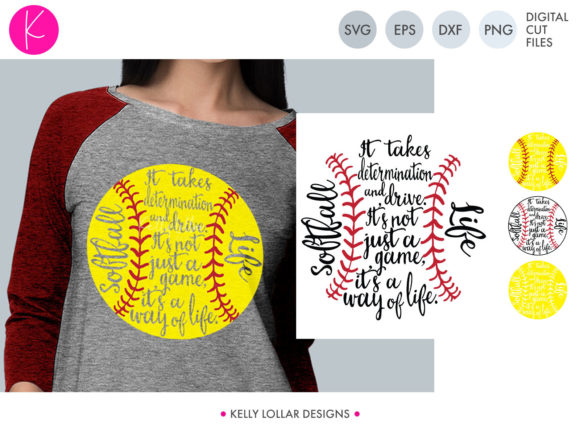
The first thing that strikes you about Softball Life is its cohesive structure. The quote is arranged within the shape of a softball, complete with stylized stitches. This is a clever use of negative space and contouring. The mood it creates is one of determination and drive, echoing the sentiment that "it’s not just a game, it’s a way of life." For a designer, this thematic consistency is crucial. The layout feels balanced, avoiding the cluttered look that often plagues text-heavy designs. The visual personality is bold yet approachable, making it suitable for a wide demographic, from youth leagues to adult recreational teams.
When I visualize this embroidery file stitched out, I see a design that relies heavily on the interplay between the text and the boundary lines of the ball. The curvature of the text follows the natural roundness of the sport equipment, which helps guide the eye around the motif. This is not a static image; it has movement. For Etsy sellers and small shop product creators, this dynamic quality is essential for catching a buyer’s attention in a crowded marketplace.
Real-World Application: From Mockup to Finished Product
To truly understand the value of Softball Life, I imagined a specific scenario: a custom order for a team mom needing end-of-season gifts. She wanted something durable, stylish, and meaningful. I considered using this design on a heavy cotton tote bag design. The large, open areas of the softball shape would allow for solid fill stitch coverage, creating a textured, premium feel against the canvas. Alternatively, I pictured it on a fleece sweatshirt embroidery project. Here, the design’s clarity would stand out against the soft background, offering a professional look that rivals boutique branding.
For custom apparel, such as performance tees or practice jerseys, the design’s versatility shines. However, one must consider the stitch density. If the design is too dense for a lightweight performance fabric, it may cause puckering. In such cases, pairing it with a high-quality cut-away stabilizer is non-negotiable. I also envisioned this as an embroidered patch. Patches are trending in the craft business sector, and a self-contained shape like a softball is ideal for this application. It allows for easy iron-on or sew-on application, adding value to jackets, backpacks, and gear bags.
Beyond apparel, consider baby embroidery items. While the message is intense, the shape is playful. A smaller version could work beautifully on a onesie or a burp cloth for a "softball baby," appealing to parents who want to share their passion with the next generation. For holiday embroidery gifts, such as Christmas stockings or personalized ornaments, the circular shape fits traditional formats well, provided the scale is adjusted correctly.
Navigating Technical Challenges and Fabric Constraints
While Softball Life is visually striking, there are areas where caution is required. Any experienced designer knows that text within a shape can be tricky. If the hoop size is too small, the legibility of the quote suffers. I strongly advise checking the recommended hoop size before purchasing or stitching. If the design includes tiny lettering, it may not resolve well on textured fabrics like terry cloth or waffle knit. In these instances, the thread colors must have high contrast against the fabric to ensure readability.
Curved surfaces present another challenge. Embroidering this design on a cap requires careful hooping and possibly a specialized backing to prevent distortion. The stitches along the curved edges of the softball shape must be precise; otherwise, the illusion of the ball breaks down. For dark fabrics, consider using a lighter thread color for the text or adding a subtle underlay to boost visibility. Always test the design on scrap fabric first. This step is vital to check for thread breaks, tension issues, and overall aesthetic appeal before committing to the final finished product.
Another consideration is the type of stitch used. If the design utilizes a satin stitch for the borders, it will provide a shiny, smooth finish that contrasts nicely with matte running stitch details. However, satin stitches can be prone to snagging if not properly secured. For items that will undergo frequent washing, such as gym bags or practice shirts, ensure that the stitch count and density are optimized for durability. An applique design variation could be an excellent alternative for larger projects, reducing stitch count and adding a different textural dimension.
Enhancing Brand Value and Customer Trust
For commercial embroidery professionals, the quality of your design assets directly impacts customer trust. A clean, well-digitized file like Softball Life enhances the perceived value of your handmade product. When customers see crisp lines and balanced proportions, they associate that quality with your brand. This is particularly important for personalized gift items, where emotional connection drives purchase decisions. A well-executed embroidery project tells the recipient that care and expertise went into its creation.
Using this design in your portfolio or printable mockup previews can also boost engagement. Show the design on various items—towels, pillows, shirts—to demonstrate its versatility. This helps potential buyers visualize the product in their own lives. For digital embroidery file sellers, providing clear instructions on stabilizer use and fabric recommendations can reduce customer support queries and increase satisfaction. Remember, your reputation is built on the consistency and reliability of your output.
Practical Notes for Designers and Makers
Before you begin stitching Softball Life, take a moment to review the technical specifications. Since exact details like stitch count and file formats are not always provided in the initial description, verify these with the seller or creator. Ensure the file is compatible with your machine. Test different thread colors to find the best combination for your target audience. Traditional white on red is classic, but consider team colors for a customized touch.
Check the licensing terms carefully. If you plan to sell items featuring this design, confirm that you have the right to use it for commercial embroidery purposes. Respect intellectual property rights to maintain professionalism in the crafts community. Finally, inspect the small details. Zoom in on the digital file to check for any irregularities in the stitch paths. A little pre-production diligence goes a long way in ensuring a flawless embroidery project.
In conclusion, Softball Life is a compelling addition to any designer’s library. It offers a blend of emotional resonance and visual appeal that works well across a variety of applications. By understanding its strengths and limitations, you can leverage this design to create standout products that resonate with customers and elevate your craft business. Whether for a personalized gift or a boutique collection, this design has the potential to make a lasting impact.