Retro TV Embroidery Design Review
As a designer who has spent countless hours digitizing and testing machine embroidery design files, I approach every new asset with a mix of curiosity and skepticism. We have all been there: you download a cute graphic, load it onto your machine, and pray it doesn’t turn into a bird’s nest of thread. That is why I took a close look at the Retro TV design. This isn’t just another clipart conversion; it is a deliberate piece of mid-century nostalgia that requires careful handling to shine in real-world applications.
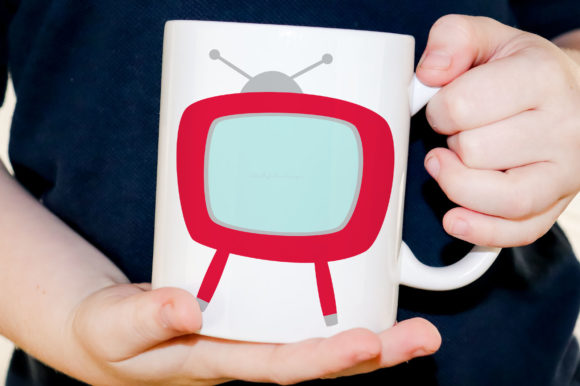
The first impression of Retro TV is undeniably charming. It captures that boxy, antenna-topped aesthetic of the 1950s and 60s television sets perfectly. For those of us in the Crafts and Graphics space, finding designs that balance retro flair with modern stitch efficiency is rare. The layout suggests a playful mood, ideal for projects that need a touch of whimsy without sacrificing professionalism. However, charm alone does not make a good embroidery file. The true test lies in how it translates from screen to fabric.
Real-World Application: The Custom Tote Bag Test
To evaluate this design properly, I simulated a common scenario for many Etsy sellers and small shop product creators: a custom embroidered tote bag. Tote bags are popular, but they present challenges due to the woven texture of canvas or cotton. I imagined placing Retro TV on a natural-colored canvas bag, perhaps adding a witty quote inside the screen area as suggested by the product description.
The visual personality of the design fits naturally here. The bold lines of the television frame provide a strong anchor, while the screen area offers a versatile negative space. If you are creating a personalized gift or a handmade product for a media lover, this design allows for customization. You could stitch a favorite movie title, a streaming service logo, or a simple "On Air" sign within the screen. This flexibility increases the perceived value of the finished product, making it more than just a generic decoration.
Stitching Performance and Fabric Considerations
When we talk about embroidery project success, we must discuss fabric interaction. Retro TV appears to rely on a combination of satin stitch for the outlines and fill stitch for the body of the television. This is standard for this type of digital embroidery file, but it demands attention to stitch density.
If you are working with thin fabric, such as a lightweight t-shirt or a baby onesie, the density of the fill stitches could cause puckering. In these cases, using a cut-away stabilizer is non-negotiable. For heavier materials like denim jackets or apron canvas, the design holds up well, providing a substantial feel that customers often associate with quality custom apparel.
One critical area to watch is the corners of the TV set. Sharp angles in embroidery can sometimes pull or distort if the underlay stitching is not sufficient. I recommend running a test on scrap fabric first. Check if the corners remain crisp or if they round off excessively. This step is vital for maintaining the clean, geometric look that defines the retro aesthetic. Additionally, if you are using this as an applique design, ensure the placement stitch aligns perfectly with the fabric edge to avoid raw edges showing through the satin border.
Versatility Across Product Lines
Beyond tote bags, where else does Retro TV shine? I see strong potential in sweatshirt embroidery. The cozy, nostalgic vibe of a vintage TV pairs beautifully with the comfort of a fleece crewneck. Here, the design acts as a focal point on the chest or a larger statement on the back. For holiday embroidery, consider adapting the screen content to show classic holiday movies or festive greetings. This adaptability makes it a valuable asset for seasonal collections.
For baby embroidery, caution is key. While the shape is cute, ensure that any small details, like dials or antennas, are not too dense or prickly against sensitive skin. Simplifying the internal details might be necessary for infant garments. Conversely, for embroidered patch creation, this design is excellent. Patches allow for heavier stabilizers and denser stitching, letting you maximize the detail of the thread colors without worrying about fabric distortion. A retro TV patch on a denim jacket or backpack appeals strongly to the vintage enthusiast market.
Visual Appeal and Brand Consistency
From a branding perspective, consistency is crucial for craft business owners. Retro TV offers a distinct visual hook. If your brand leans towards vintage, pop culture, or quirky humor, this design reinforces that identity. It helps build customer trust because it looks intentional and well-crafted, not like a hastily downloaded clipart image.
When creating printable mockup images for your online store, pay attention to contrast. On dark fabrics, use bright, contrasting thread colors for the TV frame to make it pop. On light fabrics, consider using darker threads or adding a backing layer to prevent the fabric color from bleeding through the stitches. Testing the design in black and white mockups can also help you assess the clarity of the shapes before you commit to colorful threads.
Practical Designer Notes for Best Results
Before you integrate Retro TV into your commercial lineup, keep these practical tips in mind:
- Check Hoop Size: Ensure the design fits comfortably within your hoop, leaving enough margin for stabilization. Do not crowd the edges.
- Review Stitch Density: If the design feels too heavy, consider reducing the fill density in your editing software, if permitted by the license.
- Inspect Small Details: Zoom in on the antenna and knobs. Are they too small to stitch cleanly? If so, simplify them for smaller hoop sizes.
- Fabric Texture: Avoid highly textured fabrics like thick wool sweaters unless you use a topping stabilizer to keep the stitches smooth.
- Licensing: Always confirm the license terms. Since this is a commercial embroidery asset, verify whether you can sell finished items or if restrictions apply to digital redistribution.
The product description mentions receiving two files for each format, which is standard for providing different sizes or variations. However, since exact stitch counts and specific file formats are not detailed in the brief provided, I strongly advise checking the technical specifications before purchase. Knowing whether you are getting PES, DST, or JEF files ensures compatibility with your specific machine.
Final Verdict for Makers and Sellers
The Retro TV design is a solid addition to any designer’s library, particularly for those targeting the nostalgia market. It is not just a static image; it is a flexible component that can be adapted for tote bag design, caps, pillow covers, and more. Its strength lies in its recognizable shape and the creative freedom offered by the screen area.
For creative entrepreneurs and hobbyists, this design offers a balance of fun and functionality. It requires thoughtful execution—proper stabilizing, color choice, and fabric selection—but the result is a high-quality embroidery file that enhances the value of your handmade goods. Whether you are creating a unique wedding gift for a cinephile couple or stocking your boutique with quirky home decor, Retro TV provides the retro flair needed to stand out in a crowded marketplace. Just remember to test, adjust, and stitch with confidence.