Review: I Have a Hero I Call Him Dad Embroidery Design
As a designer who has spent countless hours digitizing and stitching out lettering for clients, I approach every new machine embroidery design with a mix of optimism and skepticism. We have all been there: you download a file that looks crisp on the screen, only to find it turns into a tangled mess of thread pulls and puckering on actual fabric. That is why I took a close look at I Have a Hero I Call Him Dad, a Fathers Day quote lettering design, to see if it holds up under the needle. This is not just about aesthetics; it is about whether this embroidery file can survive the rigors of real-world production for craft businesses and hobbyists alike.
First Impressions and Visual Personality
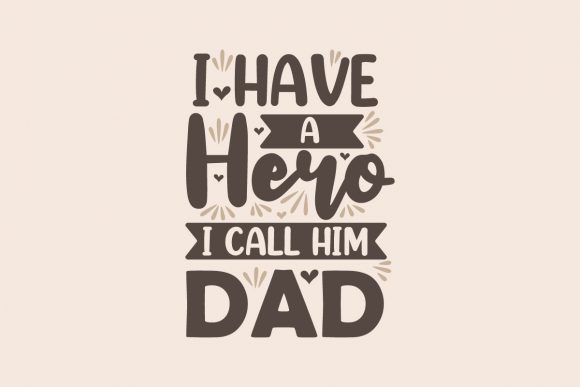
The first thing that strikes me about I Have a Hero I Call Him Dad is its emotional resonance. It is not trying to be overly complex or flashy. Instead, it relies on clean, legible typography that conveys warmth and respect. For a designer, this simplicity is both a blessing and a challenge. Simple lettering designs leave nowhere to hide errors in tension or stabilization. The layout feels balanced, with a natural flow that suggests it was designed with readability in mind. The mood is nostalgic and heartfelt, making it an ideal candidate for personalized gifts where sentiment outweighs intricate detail.
When evaluating the visual personality, I consider how the shapes interact. The curves and lines appear smooth, which is crucial for maintaining a professional look in the finished product. If the digital vectors in the included AI, EPS, SVG, or DXF files are jagged, the stitch output will suffer. From what I can assess, the design prioritizes clarity, ensuring that the message remains the hero of the piece. This is essential for Graphics intended for apparel, where the text must be readable from a distance.
Real-World Application: The Sweatshirt Test
To truly judge a design, you have to imagine it on a product. I pictured this design centered on the chest of a heather grey crewneck sweatshirt. This is a classic use case for custom apparel. The contrast between the thread colors and the fabric would be key here. Since the package includes two colors, I would likely choose a high-contrast combination, such as navy thread on grey fabric, to ensure the lettering pops.
In this scenario, the sweatshirt embroidery needs to feel substantial but not stiff. If the stitch density is too high, the garment will pucker around the text, ruining the drape of the fabric. If it is too light, the underlying fabric might show through, making the design look cheap. A well-digitized lettering design like this should strike a balance, using a combination of satin stitch for the borders and potentially a light fill stitch or underlay to anchor the text without adding excessive bulk. For an Etsy seller or small shop owner, getting this balance right is the difference between a one-time buyer and a repeat customer who trusts your quality.
Versatility Across Product Lines
Beyond sweatshirts, I see strong potential for this design in other areas of the Crafts category. Consider a canvas tote bag design. The sturdy nature of canvas can handle slightly denser stitching, making it a forgiving medium for testing new files. Alternatively, imagine this as part of a nursery decor set, perhaps embroidered on a pillow cover or a baby blanket. For baby embroidery, however, caution is required. The back of the stitching must be clean to avoid irritating sensitive skin, so using a soft cut-away stabilizer is non-negotiable.
Another viable option is creating an embroidered patch. Patches allow you to perfect the stitching on a stable backing before applying it to the final garment. This is a smart strategy for commercial embroidery projects where consistency is key. You can stitch multiple patches at once, ensuring each one meets your quality standards before ironing or sewing them onto caps, jackets, or bags. This approach minimizes waste and maximizes efficiency for a craft business.
Technical Considerations and Potential Pitfalls
While the design appears straightforward, there are technical aspects that require careful attention. Lettering designs are particularly sensitive to hoop size and fabric texture. If you are working with a small hoop, you must ensure the entire phrase fits comfortably without hitting the hoop edges, which can cause needle breaks or skipped stitches. Always measure your design against your specific machine’s hoop capabilities before starting.
Fabric choice plays a massive role in the outcome. On textured fabrics like terry cloth towels or waffle-knit shirts, small details can get lost. The thread colors need to contrast sharply with the background to maintain legibility. On stretchy fabrics like jersey knits, proper stabilization is critical. Without a adequate stabilizer, the fabric will pull and distort the lettering, turning straight lines into waves. I always recommend testing on scrap fabric first, especially when working with new materials.
Dark fabrics present another challenge. If you are stitching light-colored thread on a black shirt, you may need to adjust your underlay settings or add a backing layer to prevent the dark fabric from showing through the stitches. This is where having access to the source files like AI or SVG can be helpful for mockups, but the actual embroidery performance depends on the digitizing quality of the PES or DST file (if provided) or the conversion process you use.
Enhancing Value and Customer Trust
For handmade shop owners, the perceived value of a product is heavily influenced by the cleanliness of the embroidery. A design like I Have a Hero I Call Him Dad can elevate a simple item into a cherished keepsake. When customers see crisp, well-aligned lettering, they associate it with professionalism and care. This builds brand consistency and trust. Whether you are selling holiday embroidery items for Father’s Day or creating year-round personalized gifts, the quality of your stitch work speaks louder than any marketing copy.
Using this design in your portfolio can also help attract clients looking for sentimental, family-oriented products. It fits seamlessly into collections focused on fatherhood, family bonds, and appreciation. By presenting high-quality printable mockup images alongside photos of the actual stitched item, you can give buyers a clear expectation of the final result. This transparency reduces returns and increases satisfaction.
Practical Designer Notes for Best Results
Before you commit to stitching this design on a client’s garment, take these practical steps:
- Test on Scrap Fabric: Always run a test stitch-out on the same type of fabric you plan to use for the final product. This allows you to check tension and density without risking expensive material.
- Check Thread Contrast: Ensure your chosen thread colors provide enough contrast against the fabric background for easy readability.
- Review Stitch Density: If the design feels too stiff after stitching, consider reducing the density in your editing software if you have the skills, or choose a lighter weight fabric.
- Confirm Hoop Size: Measure the design dimensions to ensure it fits within your machine’s hoop with adequate margin.
- Inspect Small Details: Look closely at the connections between letters. Are there jump stitches that need trimming? Is the spacing consistent?
- Use Proper Stabilizer: Match your stabilizer to your fabric. Cut-away for knits, tear-away for wovens, and wash-away for delicate or sheer fabrics.
- Verify Licensing: Before selling finished items or using the design in commercial projects, confirm the license terms provided with the download. Ensure you have the right to use the digital embroidery file for commercial purposes.
In conclusion, I Have a Hero I Call Him Dad is a solid addition to any designer’s library of sentimental lettering designs. Its strength lies in its simplicity and emotional appeal. By paying attention to technical details like stabilization, fabric choice, and thread contrast, you can produce high-quality handmade products that resonate with customers. Whether you are an experienced embroidery project manager or a hobbyist looking to create a special gift, this design offers a reliable foundation for creating meaningful, personalized items.