Review: You Can Have Results or Excuses Not Both
As a designer who spends more time staring at stitch simulations than I care to admit, I have learned that not every graphic translates well to thread. We often see bold, typographic designs in the digital Crafts and Graphics market that look stunning on a screen but become a tangled mess under the needle. That is why I took a close, critical look at the You Can Have Results or Excuses Not Both design before committing it to any client project. This is not just another motivational quote; it is a statement piece that requires careful handling to ensure the final embroidery project meets professional standards.
First Impressions: Bold Typography Meets Fitness Motivation
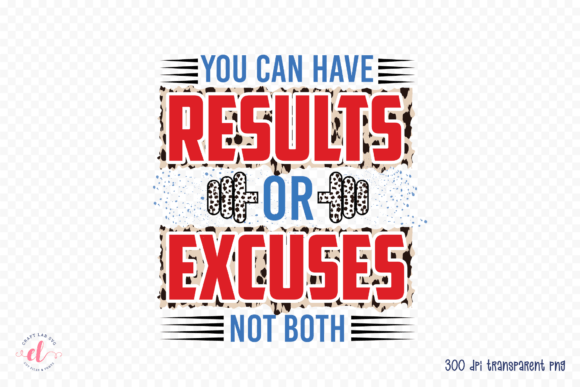
The first thing that strikes you about You Can Have Results or Excuses Not Both is its assertive visual personality. It does not whisper; it shouts. The layout is designed to grab attention, utilizing strong lines and high-contrast elements that are typical of effective workout sublimation designs. For an embroidery designer, this presents both an opportunity and a challenge. The "eye-catching graphics" mentioned in the product description suggest a level of detail that needs to be simplified for stitching without losing impact.
The mood is disciplined and energetic. It fits naturally into the fitness and wellness niche, appealing to gym-goers, personal trainers, and anyone committed to self-improvement. When I visualize this as a machine embroidery design, I immediately think of durability and clarity. The design needs to hold up against sweat, frequent washing, and the rigors of active wear. This is where the quality of the source files becomes critical. The inclusion of high-resolution 300 DPI PNG, JPG, and PDF files with transparent backgrounds is a solid starting point for digitizing, but it is not the end of the road.
Real-World Application: From Digital File to Finished Product
To truly evaluate this design, I imagined a specific scenario: a custom order for a local boutique selling premium athletic wear. The client wanted a standout piece for their new line of performance hoodies. I considered using You Can Have Results or Excuses Not Both as the central graphic on the back of a heavyweight cotton-blend sweatshirt. This is a classic use case for sweatshirt embroidery, where the fabric provides enough stability to support a larger design.
In this context, the design performs well because the message aligns perfectly with the product’s purpose. A customer buying a high-end hoodie wants to feel motivated. Seeing this quote stitched cleanly across the shoulders or centered on the chest adds significant perceived value. It transforms a simple garment into a personalized gift or a statement custom apparel item. However, the transition from a sublimation-ready graphic to an embroidered piece requires thoughtful digitizing. You cannot simply auto-digitize this and expect perfection. The sharp corners of the letters and any intricate graphical elements must be adjusted to prevent thread breaks and ensure smooth coverage.
Versatility Across Product Lines
Beyond sweatshirts, this design has potential in various other areas of the craft business. Consider an embroidered patch for gym bags. Patches are forgiving because they are stabilized heavily and can be removed if the stitching fails. Here, the bold nature of You Can Have Results or Excuses Not Both shines. It remains legible even at smaller sizes, provided the stitch density is managed correctly.
Another viable option is tote bag design. Canvas totes are popular among Etsy sellers and small shop owners. The sturdy fabric handles dense stitching well, making it an ideal candidate for this type of graphic-heavy design. Whether used for grocery runs or as a gym carry-all, the durability of the embroidery ensures the message lasts. For holiday embroidery gifts, such as New Year’s resolution-themed items, this quote is timely and relevant, adding a layer of personal connection that buyers appreciate.
Technical Considerations and Potential Pitfalls
While the design is strong, it is not without its risks. As an experienced reviewer, I must highlight where caution is needed. The primary concern with any text-heavy or detailed graphic is stitch density. If the digitizer packs too many stitches into the letters or graphical accents, the fabric may pucker, especially on thinner materials like standard t-shirts or baby embroidery items.
For curved surfaces, such as caps or hats, this design requires extreme care. The rigid structure of a cap front panel can distort complex graphics. If you attempt to place You Can Have Results or Excuses Not Both on a cap, you must simplify the design significantly. Reduce the height, increase the spacing between letters, and avoid overly intricate details that might bunch up. Similarly, on stretchy fabrics like performance leggings or yoga tops, the design must be digitized with pull compensation in mind. Without proper stabilization and technique, the embroidery will warp when the fabric stretches.
Dark fabrics present another challenge. If the design relies on light-colored threads for contrast, you must ensure the underlying fabric does not show through. This might require a thicker underlay or a different choice of thread colors. Always test the design on scrap fabric that matches your final product’s texture and weight. This step is non-negotiable for professional results.
Enhancing Visual Appeal and Brand Consistency
The success of You Can Have Results or Excuses Not Both in a commercial setting depends on execution. A poorly stitched version looks amateurish and can damage brand trust. Conversely, a crisp, clean execution enhances the finished product’s appeal. The clarity of the stitching directly influences customer perception. When a buyer sees tight, uniform stitches with no loose threads or gaps, they associate that quality with your brand.
For digital embroidery file sellers, providing multiple formats and clear instructions is key. Since the product includes PNG, JPG, and PDF files, users must understand that these are reference images for digitizing, not ready-to-stitch files unless specified otherwise. Clarifying this prevents confusion and reduces refund requests. For small shop product creators, using this design in printable mockup previews can help customers visualize the final item, boosting conversion rates.
Practical Notes for the Embroidery Designer
Before you load this design into your machine, take a moment to review these practical steps:
- Test on Scrap Fabric: Always run a test stitch-out on the same material you plan to use for the final product. Check for puckering, thread breaks, and registration issues.
- Check Thread Contrast: Ensure your chosen thread colors stand out against the fabric. High contrast improves readability, which is crucial for text-based designs.
- Review Stitch Density: If you are digitizing from the provided graphics, adjust the density to suit the fabric. Lighter fabrics need less density; heavier fabrics can handle more.
- Confirm Hoop Size: Make sure your hoop can accommodate the full design without re-hooping, which can lead to misalignment.
- Use Proper Stabilizer: Choose a stabilizer that matches the fabric’s stretch and weight. Cut-away stabilizers are often best for garments that will be washed frequently.
- Verify Licensing: Before selling items made with this design, confirm the license terms. Ensure you have the right to use it for commercial embroidery projects.
In conclusion, You Can Have Results or Excuses Not Both is a potent design asset for those willing to put in the technical work. It bridges the gap between motivational messaging and tangible handmade product creation. By respecting the limitations of embroidery and leveraging the strengths of the source graphics, you can create items that resonate with customers and stand the test of time. Whether you are an Etsy seller looking for your next bestseller or a hobbyist making a gift for a fitness enthusiast, this design offers a solid foundation for success—if handled with care.