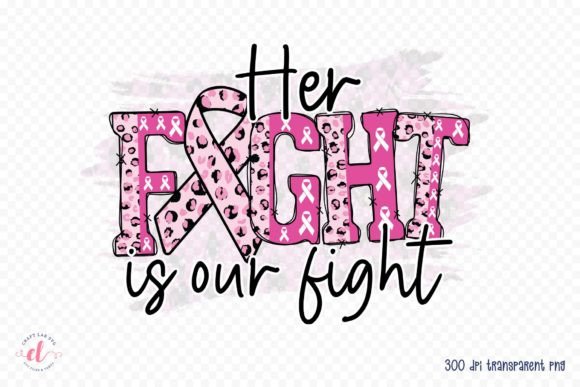
Reviewing Her Fight is Our Fight Sublimation PNG
As a designer who spends half my life digitizing and the other half stitching, I have learned that not every graphic translates well to thread. When I first pulled up Her Fight is Our Fight - Sublimation PNG, my initial reaction was one of cautious optimism. The visual weight of the design suggests a powerful message, but the real test for any embroidery professional is determining how those pixels will behave once they become stitches. This is not just about aesthetics; it is about structural integrity, fabric compatibility, and the emotional resonance of the finished product.
First Impressions and Visual Personality
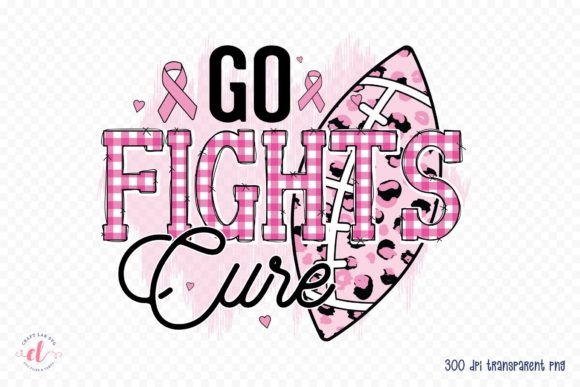
The mood created by this design is immediate and poignant. It carries a sense of solidarity and strength, which is crucial for breast cancer awareness projects. From a layout perspective, the balance between the text and the graphical elements appears intentional. For an embroidery project, this is vital. If the elements are too scattered, you risk long jumps that can snag or look messy on the back. If they are too dense, the fabric may pucker.
Looking at the high-resolution 300 DPI PNG provided in the package, the lines are crisp. This clarity is essential when you are manually tracing or using auto-digitizing software as a base. The transparent background is a significant time-saver, allowing you to drop the image directly into your digitizing workspace without spending hours cleaning up white halos. As a piece of digital art within the Crafts category, it stands out for its clean edges, which is a promising sign for potential stitch definition.
Real-World Application: The Custom Tote Bag Scenario
To truly evaluate Her Fight is Our Fight - Sublimation PNG, I imagined a specific client request: a custom embroidered tote bag for a local charity walk. Tote bags are typically made from canvas or heavy cotton, which provides a stable foundation for embroidery. However, they are also functional items that will be washed and carried heavily.
In this scenario, the design’s legibility is paramount. If I were to convert this graphic into a machine embroidery design, I would need to pay close attention to the lettering. Small serif fonts or intricate details often get lost in thread. My approach would be to simplify the finer points of the graphic while maintaining the overall shape. The "eye-catching graphics" mentioned in the description suggest bold shapes, which translate beautifully into fill stitches or satin stitch borders. On a tote bag, a larger hoop size would be necessary to accommodate the full width of the message, ensuring it remains readable from a distance.
For an Etsy seller or small shop owner, this type of product has high perceived value. A well-executed embroidered tote is not just a bag; it is a statement piece. The durability of the thread compared to printed ink means the message lasts longer, reinforcing the theme of enduring support. This aligns perfectly with the intent behind the design.
Navigating Fabric and Stitch Challenges
While the design is versatile, it is not universal. There are specific situations where you must exercise caution. For instance, applying this design to stretchy fabrics like performance wear or thin jersey t-shirts requires careful planning. Without proper stabilizer, the tension from the stitches can cause the fabric to warp, distorting the text and making the graphics look wavy. I always recommend testing on scrap fabric first, especially when dealing with complex layouts.
Curved surfaces, such as caps or hats, present another challenge. If the design is wide, it may not wrap cleanly around the front panel of a cap. In such cases, you might need to scale down the design or break it into smaller components. However, scaling down too much can compromise the readability of the quote. This is where the original resolution of the Her Fight is Our Fight - Sublimation PNG helps; you can zoom in to check the smallest details before committing to a digitizing path.
Dense stitch areas are another concern. If the graphic elements are solid blocks of color, converting them directly to fill stitches can result in a stiff, cardboard-like patch on the garment. To maintain the soft hand feel of a sweatshirt or baby item, I would consider using applique techniques. By cutting fabric shapes to match the graphic elements and securing them with a satin stitch border, you reduce stitch count and bulk. This makes the final product more comfortable to wear, which is critical for personalized gifts and custom apparel.
Enhancing Brand Consistency and Customer Trust
For creative entrepreneurs and boutique owners, consistency is key. Using a high-quality source file like this ensures that every mockup you create looks professional. Whether you are generating printable mockups for your online store or creating physical samples for craft fairs, the clarity of the source image affects how customers perceive your brand. A pixelated or blurry preview can deter buyers, whereas a sharp, clean image builds trust.
When selling finished products, the quality of the embroidery reflects directly on your craftsmanship. If the design is digitized poorly, threads may break, or the backing may show through. By starting with a strong graphic like Her Fight is Our Fight - Sublimation PNG, you set yourself up for success. It allows you to focus on thread color selection and fabric texture rather than fighting against a low-quality image.
Practical Notes for the Embroidery Designer
Before you begin your next embroidery project with this asset, keep these practical tips in mind:
- Check Licensing: Always confirm the license terms before selling finished items. While the file includes PNG, JPG, and PDF formats, ensure you have the right to use the design for commercial embroidery.
- Test Stitch Density: If digitizing yourself, run a test on similar fabric to check for puckering. Adjust your pull compensation and density settings accordingly.
- Contrast Matters: Choose thread colors that contrast well with your fabric. Test the design in black and white mockups to ensure the shapes are distinct even without color.
- Stabilizer Selection: Use a cut-away stabilizer for stretchy fabrics and a tear-away for woven materials. This prevents distortion and ensures the design lays flat.
- Detail Inspection: Zoom in on the PDF or PNG to identify any tiny details that may not stitch out well. Simplify these areas in your digitizing software.
Final Verdict on Usability
In the realm of Graphics for crafts, Her Fight is Our Fight - Sublimation PNG offers a solid foundation for meaningful embroidery work. It is not just a pretty picture; it is a tool for connection. Whether you are creating holiday embroidery gifts, nursery decor, or awareness merchandise, this design holds up under scrutiny. It requires thoughtful digitizing and material selection, but the payoff is a high-quality, emotionally resonant finished product.
For the handmade product creator, this asset saves time in the initial design phase, allowing you to focus on the technical execution. It fits seamlessly into workflows for apparel decorators and digital product sellers alike. Just remember that the transition from screen to stitch is where the magic happens, and that requires a keen eye for detail and a respect for the materials. With the right approach, this design can become a staple in your portfolio of compassionate, high-impact creations.