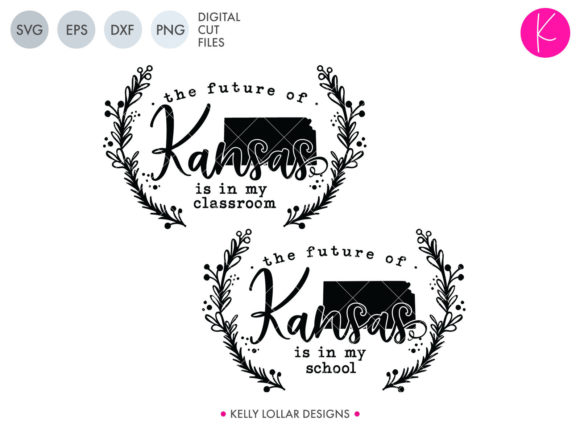
Reviewing The Future of Kansas is in My Classroom School
As an embroidery designer who spends more time staring at stitch simulations than I care to admit, I have learned that not every digital file translates well to fabric. Some designs look crisp on a screen but turn into a tangled mess under the needle. Others lack the emotional resonance needed to sell a finished product. When I first loaded The Future of Kansas is in My Classroom School into my software, I was looking for more than just cute aesthetics. I wanted to know if this graphic could hold its own in a real-world craft business environment.
This design, categorized under Crafts and specifically as a Graphics asset, targets a very specific niche: Kansas educators. It combines a powerful message with a floral border, aiming to appeal to teachers, principals, and administrative staff. But does it work as a machine embroidery design? Let’s break down how this file performs when moved from the digital realm to actual stitched goods.
First Impressions and Visual Personality
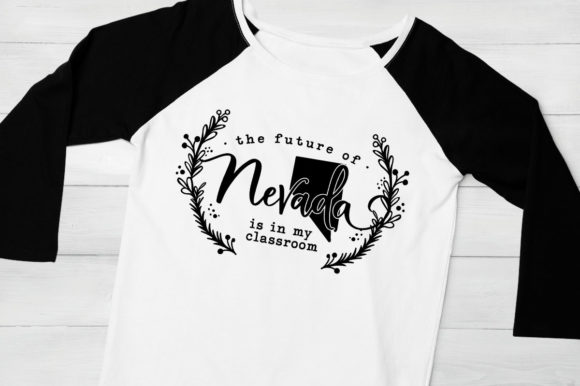
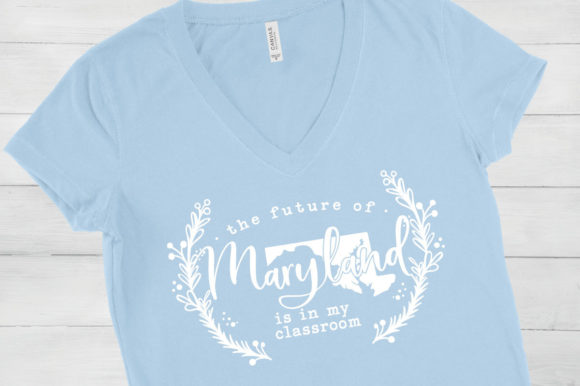
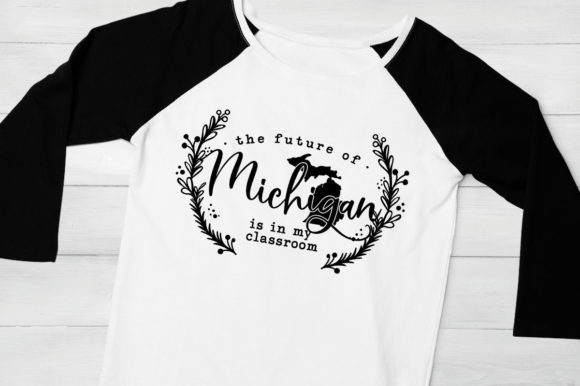
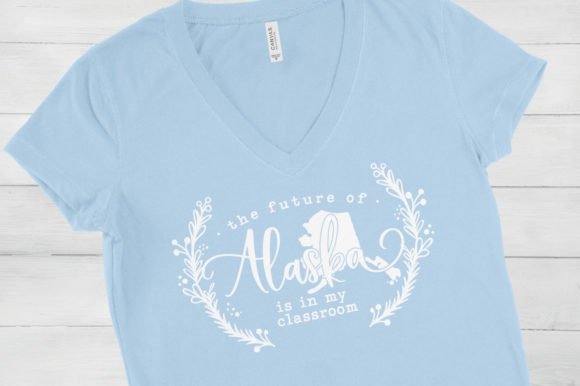
The immediate mood of The Future of Kansas is in My Classroom School is warm, professional, and proudly local. The inclusion of a floral border softens the boldness of the text, creating a balance between authority and approachability. For an embroidery project, this contrast is vital. Pure text can sometimes feel stark or industrial, but the organic shapes of the flowers introduce movement and texture.
From a layout perspective, the design feels centered and stable. This is crucial for items like tote bags or pillow covers where symmetry dictates quality. The visual personality suggests a product that is meant to be seen and appreciated up close. It is not a background pattern; it is the focal point. For Etsy sellers and small shop owners, this clarity is a selling point. Customers scrolling through listings need to understand the product instantly, and this design communicates its purpose without ambiguity.
Real-World Application: The Teacher Appreciation Scenario
To truly evaluate this design, I imagined a common scenario: preparing a custom gift for a retiring elementary school principal in Topeka. The client wanted something durable yet sentimental. I considered using The Future of Kansas is in My Classroom School on a high-quality canvas tote bag. This is a classic use case for this type of graphic.
On a tote bag, the design needs to withstand frequent washing and heavy loads. The floral border elements would likely require a mix of satin stitch for the petals and fill stitch for the leaves to ensure durability. If the digitizer has optimized the stitch density correctly, the flowers should lay flat without puckering the fabric. However, if the density is too high, the canvas might distort. This is where practical judgment comes in. I would recommend testing the embroidery file on a scrap piece of the exact same canvas before committing to the final product.
Another strong candidate for this design is sweatshirt embroidery. A heather gray or navy crewneck serves as an excellent backdrop for the likely bright thread colors used in the floral elements. Sweatshirts have a thicker texture, which can hide minor imperfections in registration, making them forgiving for complex designs. The message resonates deeply in this context, turning a simple garment into a statement piece that a teacher might wear on casual Fridays or during school spirit weeks.
Navigating Technical Challenges
While the design is appealing, there are areas where caution is necessary. Any design featuring both text and intricate floral details presents challenges regarding hoop size and stitch clarity. If you are working with a smaller hoop, such as a 4x4 inch frame, you may need to scale the design down. This risks making the tiny lettering illegible or the delicate flower stems too thin to stitch reliably.
I advise checking the minimum recommended hoop size before purchasing or using the digital embroidery file. If the design is intended for a 5x7 or larger hoop, forcing it into a smaller space will compromise the integrity of the satin stitch outlines. Additionally, curved surfaces like caps require careful placement. The floral border might distort if stitched over the seam of a baseball cap. For headwear, I would suggest simplifying the design or choosing a patch application instead of direct embroidery.
Fabric choice also plays a pivotal role. On thin or stretchy fabrics, such as performance t-shirts or lightweight jersey, a robust stabilizer is non-negotiable. Without proper support, the pull of the threads can cause the fabric to gather around the floral edges, ruining the clean look of the finished product. For dark fabrics, ensure that the thread colors provide sufficient contrast. A printable mockup can help visualize this, but nothing beats a physical test stitch.
Enhancing Product Value and Brand Consistency
For commercial embroidery projects, consistency is key. Using The Future of Kansas is in My Classroom School across a product line—such as matching mugs, shirts, and tote bags—creates a cohesive brand identity for school fundraisers or boutique shops. The design’s professional appearance boosts customer trust. It signals that the maker cares about quality and detail.
When listing this as a handmade product on platforms like Etsy, the visual appeal of the stitched sample matters immensely. High-resolution photos that highlight the texture of the fill stitch and the sheen of the satin stitch can significantly increase buyer engagement. The design works well for holiday embroidery gifts, particularly during Teacher Appreciation Week or end-of-year celebrations. Its specific regional focus makes it a unique item that mass-produced retailers cannot easily replicate.
Practical Notes for Designers and Makers
Before you begin stitching, take a moment to review the technical specifications of the file. Since exact stitch counts and format compatibility are not always listed in the general description, verify that the file matches your machine’s requirements. Common formats include PES, DST, and JEF, but confirmation is essential to avoid conversion errors.
- Test on Scrap Fabric: Always run a test stitch on the same material and weight as your final product to check for puckering or thread breaks.
- Check Thread Contrast: Ensure your chosen thread colors stand out against the fabric background, especially for the text elements.
- Review Stitch Density: If the floral areas feel too dense, consider adjusting the underlay or reducing the fill density in your editing software if you have the skills.
- Confirm Licensing: If you plan to sell finished items or use this as a design asset for commercial purposes, verify the license terms provided by the creator.
- Use Proper Stabilizer: Match your stabilizer to the fabric type—cut-away for knits, tear-away for wovens—to ensure longevity.
In conclusion, The Future of Kansas is in My Classroom School is a versatile and meaningful addition to any embroidery designer’s library. It bridges the gap between sentimental messaging and professional aesthetics. By understanding its technical requirements and selecting the right applications, such as tote bag designs or sweatshirt embroidery, you can create high-value personalized gifts that resonate with customers. Whether you are a hobbyist making a present for a friend or an Etsy seller expanding your catalog, this design offers a solid foundation for a successful embroidery project. Just remember to respect the nuances of stitch density and fabric texture to ensure the final result matches the promise of the digital preview.