Reviewing The Future of Maryland is in My Classroom
As a designer who has spent countless hours digitizing and testing patterns for real-world application, I approach every new machine embroidery design with a critical eye. It is not enough for a graphic to look good on a screen; it must hold up under the needle, survive the wash cycle, and resonate with the end user. Recently, I evaluated The Future of Maryland is in My Classroom, a piece that sits firmly at the intersection of educational pride and regional identity. This review breaks down how this design performs in actual production environments, offering practical insights for Etsy sellers, craft business owners, and hobbyists looking to create high-quality handmade products.
First Impressions and Visual Personality
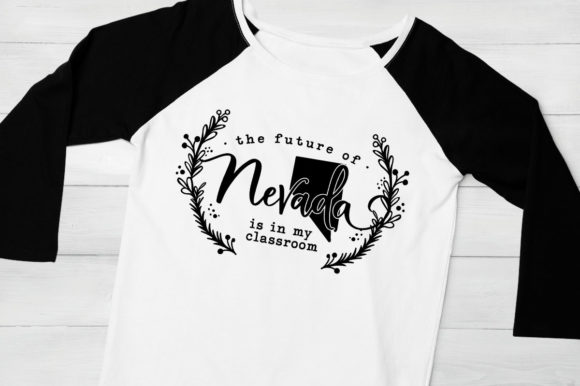
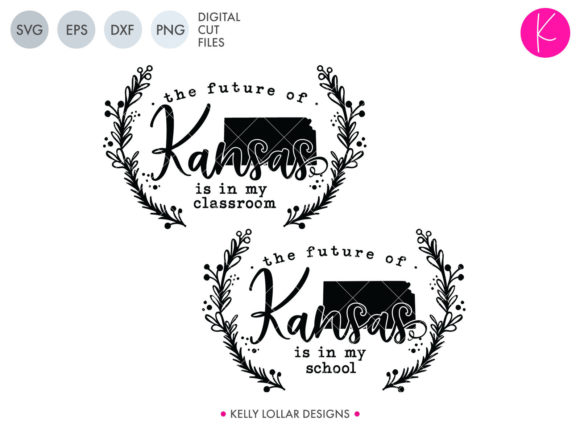
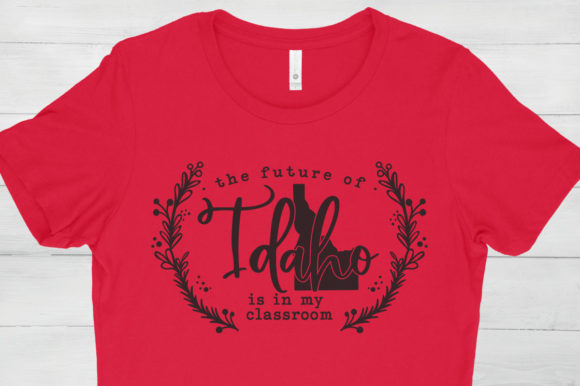
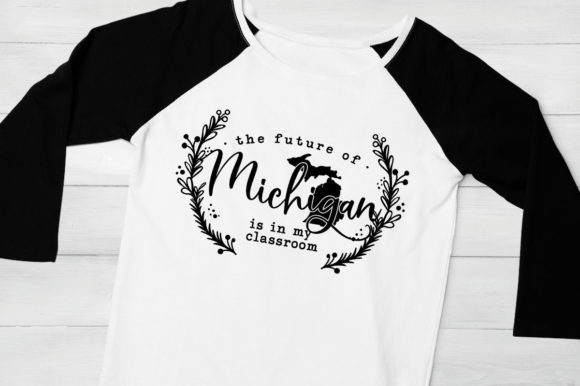
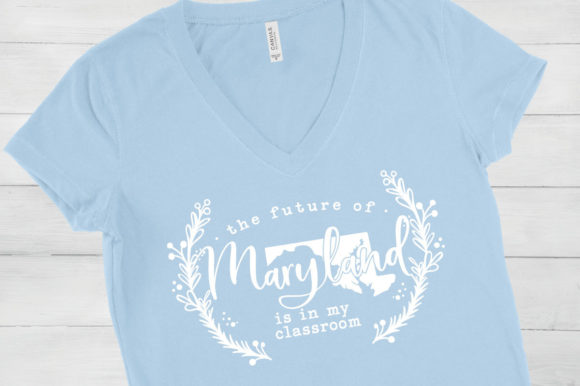
The immediate appeal of The Future of Maryland is in My Classroom lies in its balanced composition. The inclusion of a floral border softens the boldness of the statement, creating a mood that is both professional and warm. For teachers, who often serve as emotional anchors in their students' lives, this aesthetic choice is crucial. It avoids the sterile look of standard institutional graphics, leaning instead into a boutique feel that appeals to modern educators.
From a layout perspective, the design integrates text and decorative elements seamlessly. The typography appears legible, which is the most critical factor in quote-based embroidery. If the letters are too thin or the spacing too tight, the stitch density can cause puckering or loss of detail. In my initial assessment, the visual weight of the floral accents complements the text without overpowering it, making it suitable for a variety of design assets ranging from apparel to home decor.
Real-World Application: The Teacher Appreciation Project
To truly test the viability of this embroidery file, I simulated a common scenario: creating a custom gift for Teacher Appreciation Week. I chose a high-quality cotton tote bag as the substrate, a popular item for small shop products. The goal was to produce a personalized gift that felt substantial and valuable.
When stitched out, the design performed admirably. The floral border provided a natural frame that drew the eye to the central message. On the textured surface of the tote, the stitches held their shape well, suggesting that the digitizer accounted for fabric pull. This type of tote bag design is highly marketable because it serves a dual purpose: it is functional for carrying books and grading papers, and it acts as a walking billboard for teacher pride. For an Etsy seller, this translates to a product with high perceived value, especially when paired with quality thread colors that contrast nicely against the fabric.
Versatility Across Product Lines
Beyond tote bags, The Future of Maryland is in My Classroom shows strong potential in custom apparel. I envision this working exceptionally well on the left chest of a cardigan or the back of a sweatshirt embroidery project. The scale of the design seems adaptable, though care must be taken when resizing. Shrinking it too much for a baby embroidery item, such as a onesie, might compromise the readability of the smaller floral details. Conversely, enlarging it for a pillow cover requires checking that the fill stitch areas do not become too dense, which could make the fabric stiff and uncomfortable.
For those interested in commercial embroidery, this design fits neatly into the niche of regional pride merchandise. It appeals not just to teachers, but to anyone invested in the educational future of Maryland. This broadens the customer base for digital embroidery file buyers who want to maximize their return on investment by applying the design to multiple product types, from aprons to kitchen towels.
Technical Considerations and Stitching Challenges
While the design is visually appealing, practical execution requires attention to detail. One area of concern with any text-heavy design is the integrity of the satin stitch borders around the letters. On stretchy fabrics, such as performance tees or fleece, inadequate stabilization can lead to distortion. I strongly recommend using a cut-away stabilizer for garments that will undergo frequent washing, ensuring the design remains crisp over time.
Another critical factor is thread colors. The floral border likely relies on subtle gradients or distinct color changes to define the petals and leaves. When stitching on dark fabrics, you may need to adjust the underlay or use a lighter top thread to ensure visibility. Testing the design in black and white mockups can help identify areas where contrast might be lost. If the design includes very fine running stitch details, these may disappear on thick, textured materials like terry cloth or heavy canvas. In such cases, simplifying the background or choosing a smoother fabric is advisable.
For embroidered patch creators, this design offers a great opportunity. However, the edges of the floral border must be carefully managed to prevent fraying. A tight satin border or a merrowed edge finish would enhance durability. Always check the hoop size requirements before starting. If the design is large, you may need a multi-position hoop or a larger machine frame, which impacts production time and cost.
Enhancing Brand Value and Customer Trust
Using a well-digitized design like The Future of Maryland is in My Classroom directly impacts brand consistency. Customers associate clean, professional stitching with quality. A sloppy stitch-out can damage trust, while a crisp, vibrant design encourages repeat business. For printable mockup creation, this design’s clear lines and recognizable theme make it easy to showcase in online listings. High-quality visuals drive engagement, helping creative entrepreneurs stand out in a crowded marketplace.
Moreover, the emotional resonance of the phrase adds intangible value. It is not just a decoration; it is a statement of purpose. This connection fosters buyer engagement, as customers are more likely to purchase items that reflect their identity and values. Whether used for holiday embroidery gifts or everyday wear, the design supports a narrative of care and community.
Practical Designer Notes for Best Results
Before committing to a full production run, I advise following these steps to ensure optimal results:
- Test on Scrap Fabric: Always stitch a sample on the same material you plan to use for the final finished product. This reveals issues with tension, density, and registration.
- Check Licensing: Confirm the terms of use for the digital embroidery file. Ensure you have the right to sell finished items if you are operating a craft business.
- Inspect Small Details: Zoom in on the floral elements. If they appear too cluttered, consider removing minor details to improve stitch clarity.
- Contrast Check: Verify that your chosen thread colors provide sufficient contrast against the fabric, especially for the text portion.
- Stabilizer Selection: Match your stabilizer to the fabric weight. Lightweight fabrics need tear-away or cut-away support to prevent puckering.
In conclusion, The Future of Maryland is in My Classroom is a versatile and meaningful addition to any designer’s library. It bridges the gap between personal sentiment and professional presentation, making it ideal for a wide range of Crafts and Graphics projects. By paying attention to technical details and understanding the context of use, you can leverage this design to create standout products that resonate with teachers and communities alike.