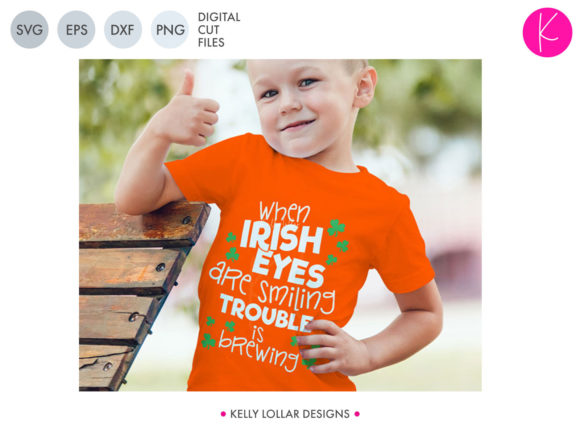
Review: When Irish Eyes Are Smiling Design
As a designer who has spent countless hours digitizing and testing embroidery files, I have learned that the difference between a charming handmade item and a professional-grade product often comes down to the quality of the machine embroidery design chosen. Recently, I pulled up the file titled When Irish Eyes Are Smiling to evaluate its potential for upcoming spring and St. Patrick’s Day collections. This is not just another generic shamrock clipart; it is a quote-based graphic that blends typography with thematic iconography, specifically targeting those who appreciate a bit of mischief alongside their holiday cheer.
The full description reads: When Irish Eyes Are Smiling Trouble is Brewing Quote with Shamrocks for Shenanigans Lovers Do you have a sneaky little lad or lass One who gets that little smile when they. From a visual standpoint, this suggests a playful, narrative-driven piece. For embroidery designers, small business owners, and Etsy sellers, understanding how such a text-heavy design translates into thread is crucial before committing to production.
First Impressions and Visual Personality
When I first loaded the digital embroidery file into my viewing software, the immediate impression was one of whimsy. The layout appears to balance the textual element—likely the phrase "When Irish Eyes Are Smiling, Trouble is Brewing"—with decorative shamrocks. This combination creates a mood that is less about traditional heritage and more about modern, fun-loving celebration. For crafters and makers, this distinction is vital. It moves the design from standard holiday decor into the realm of personality-driven custom apparel and gifts.
The visual personality here is cheeky. It appeals to the "shenanigans lover," as the description notes. In terms of shape and detail level, quote designs can be tricky. If the lettering is too thin, it may not stitch out cleanly on textured fabrics. If the shamrocks are too dense, they can pucker the material. My initial assessment suggests this design relies on a mix of font styles, likely pairing a script or serif for the main quote with simpler shapes for the greenery. This contrast is essential for readability and aesthetic appeal in the final embroidery project.
Real-World Application: The Tote Bag Test
To truly evaluate a design, you must imagine it on a physical product. I envisioned using When Irish Eyes Are Smiling on a heavy canvas tote bag. This is a popular item for spring markets and boutique shops. The natural beige or white canvas provides an excellent neutral background that allows the green threads of the shamrocks and the contrasting color of the text to pop.
In this scenario, the design serves as a focal point. For an Etsy seller, this means the product photography must highlight the texture of the stitches against the weave of the fabric. The quote adds value because it tells a story. A customer isn't just buying a bag; they are buying a conversation starter. The "sneaky little lad or lass" angle mentioned in the product description makes it particularly suitable for personalized gifts for children or humorous adult accessories. However, placement is key. On a tote, centering the design ensures symmetry, but one must ensure the hoop size accommodates the full width of the quote without cropping essential details.
Performance on Apparel and Textiles
Beyond tote bags, this design has strong potential for sweatshirt embroidery. A crewneck sweatshirt in heather gray or forest green would provide a sophisticated backdrop for the playful text. Here, the stitch density becomes a critical factor. Sweatshirt fleece is thick and plush. If the design uses too many fill stitches in the shamrocks, it can create a stiff, cardboard-like patch that feels uncomfortable against the skin. Conversely, if the text relies on satin stitch columns that are too wide, they may sink into the fleece, losing definition.
For baby embroidery projects, such as onesies or bibs, caution is advised. While the theme is cute, the length of the quote might be overwhelming for a small garment. I would recommend scaling the design down significantly or using only the shamrock elements paired with a shorter name, rather than the full quote, for infant items. Always check the recommended hoop size and minimum dimensions provided with the file to ensure legibility at smaller scales.
Technical Considerations for Stitching Success
Working with text-based graphics requires precision. Here are practical notes for anyone planning to stitch When Irish Eyes Are Smiling:
- Fabric Selection: Avoid highly textured fabrics like loose-weave linen unless you use a heavy cut-away stabilizer. The fine details of the lettering can get lost in the weave. Smooth cotton blends or polished polyester work best for clarity.
- Stabilizer Choice: For stretchy fabrics like t-shirts or caps, a firm cut-away stabilizer is non-negotiable. This prevents the design from distorting over time, especially important for the curved surfaces of caps where tension varies.
- Thread Contrast: Test your thread colors. Traditional green and white are safe, but consider gold or cream for a more vintage, boutique look. High contrast between the text and the background fabric is essential for readability.
- Density Check: Review the stitch count if available. If the shamrocks are densely filled, consider using a lighter fill pattern or even converting them to an applique design if your machine and skills allow, to reduce bulk.
- Test Stitching: Always run a test on scrap fabric identical to your final material. Check for thread breaks in tight corners of the letters and ensure the running stitch underlays are sufficient to hold the fabric steady.
Commercial Viability and Brand Consistency
For craft business owners, the commercial appeal of this design lies in its versatility. It fits neatly into categories like holiday embroidery, personalized gifts, and casual wear. However, professionalism is paramount. A poorly stitched quote looks amateurish. Ensure that your machine is well-maintained and that you are using high-quality threads to prevent shredding, which is common in detailed lettering.
When creating printable mockups or digital previews for your online shop, show the design on various products. A close-up shot showing the stitch texture builds customer trust. It demonstrates that you understand the quality of the design assets you are selling. Mentioning that the design is suitable for both personal and commercial use (after verifying the specific license terms) can broaden your customer base.
Avoiding Common Pitfalls
There are scenarios where this design should be used carefully. Avoid placing it on dark, black fabrics unless you are certain the underlay stitches will not show through. Light-colored threads on dark fabric require a dense underlay, which increases stiffness. Also, be mindful of curved surfaces like baseball caps. The perspective distortion can make long quotes difficult to read. In such cases, consider breaking the text into two lines or arching it to follow the cap's contour.
Finally, always confirm the licensing terms. While many designs allow for commercial use on finished physical products, selling the digital file itself is usually prohibited. Respect the intellectual property of the designer to maintain integrity in the Graphics and Crafts community.
Final Verdict
When Irish Eyes Are Smiling is a spirited addition to any spring embroidery library. It offers a blend of humor and tradition that resonates with modern buyers. By paying attention to stitch density, fabric choice, and proper stabilization, you can transform this digital file into a high-value finished product. Whether you are creating a custom gift for a friend or stocking your small shop with seasonal merchandise, this design holds up well under scrutiny, provided it is executed with technical care. It is a reminder that in embroidery, as in life, the details matter.